AI Adoption: From strategy to business model decisions | 26.03.2026
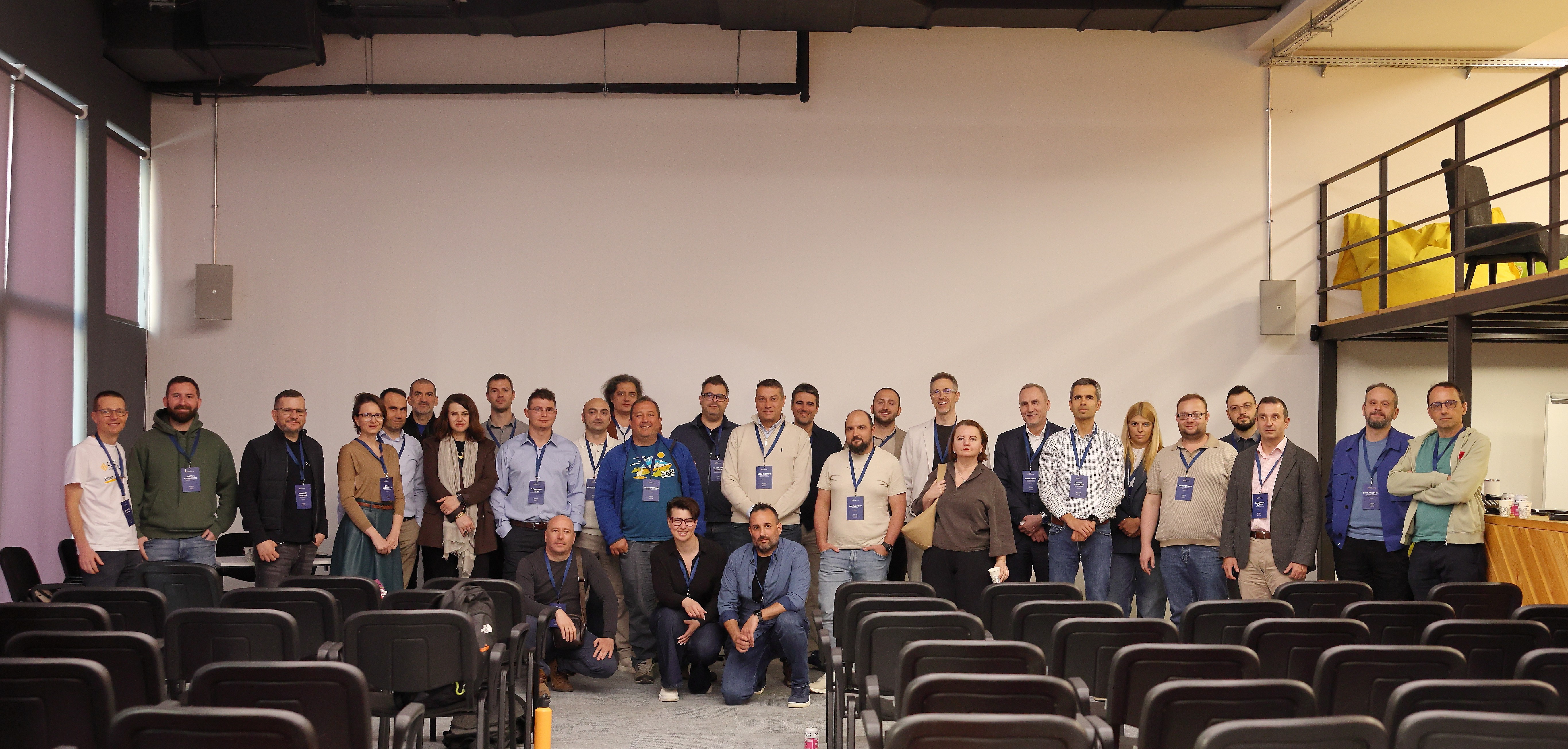
In March we brought together a group of CEOs and AI practitioners for an honest conversation about where adoption actually stands - and what separates the companies making real progress from the ones still stuck at the pilot stage.
The evening opened with a session on how to approach AI adoption strategically - where to start, how to think about it at a business model level, and where the most common pitfalls appear. The goal was not to simplify a complex topic, but to give everyone a shared frame before the conversation went deeper.
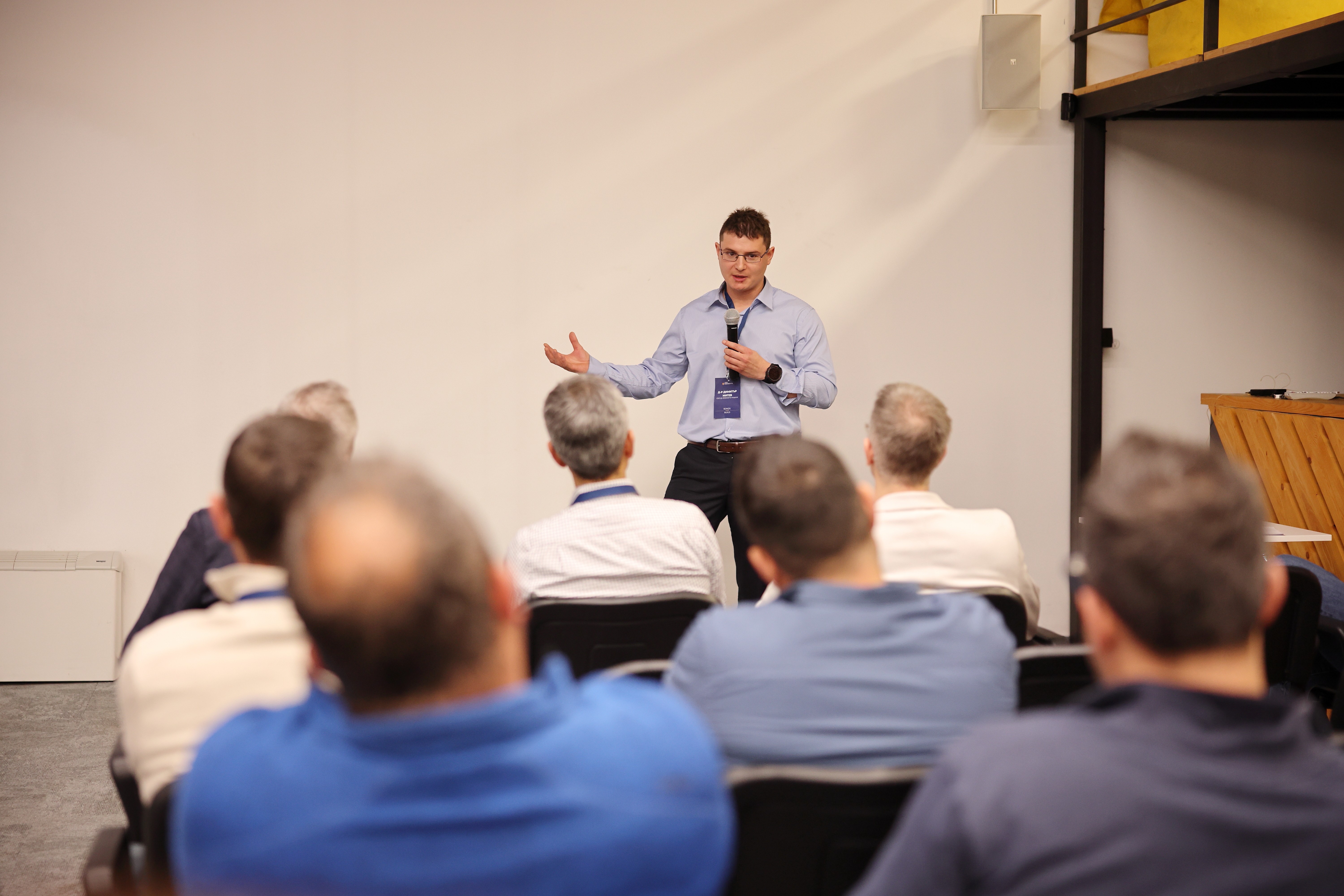
What followed set the tone for the entire evening. Blagovesta Pugyova, CEO of Vector Labs, and Dr. Dimitar Mitev, CEO of Zdraveto Hospital, walked the room through a live AI implementation - their own. They were unusually transparent: the decision points, the things that worked, the things that didn’t, and what they would do differently. That kind of honesty is rare, and the room responded to it. Questions came quickly, others added their own experience, and what started as a case study became a real exchange.
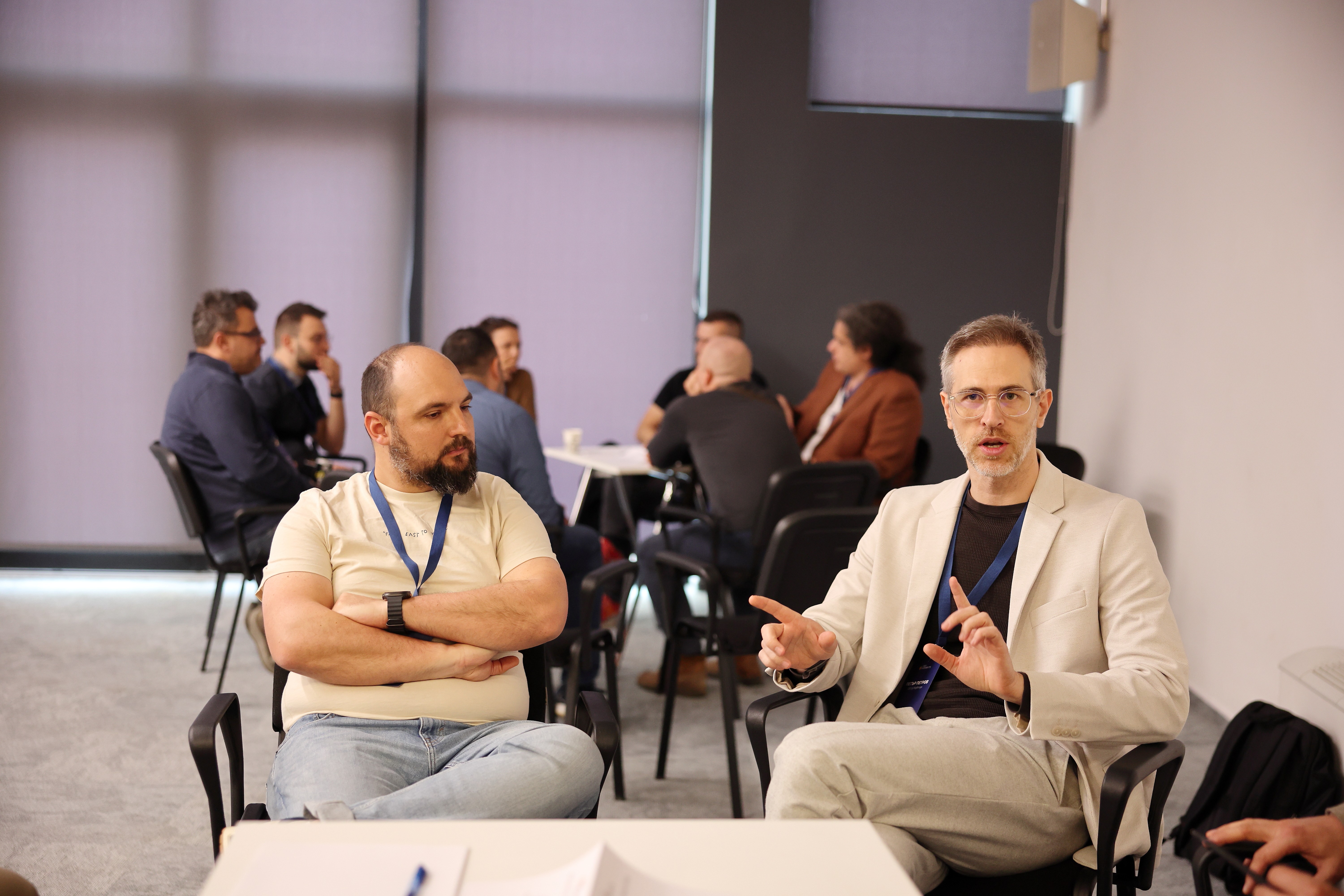
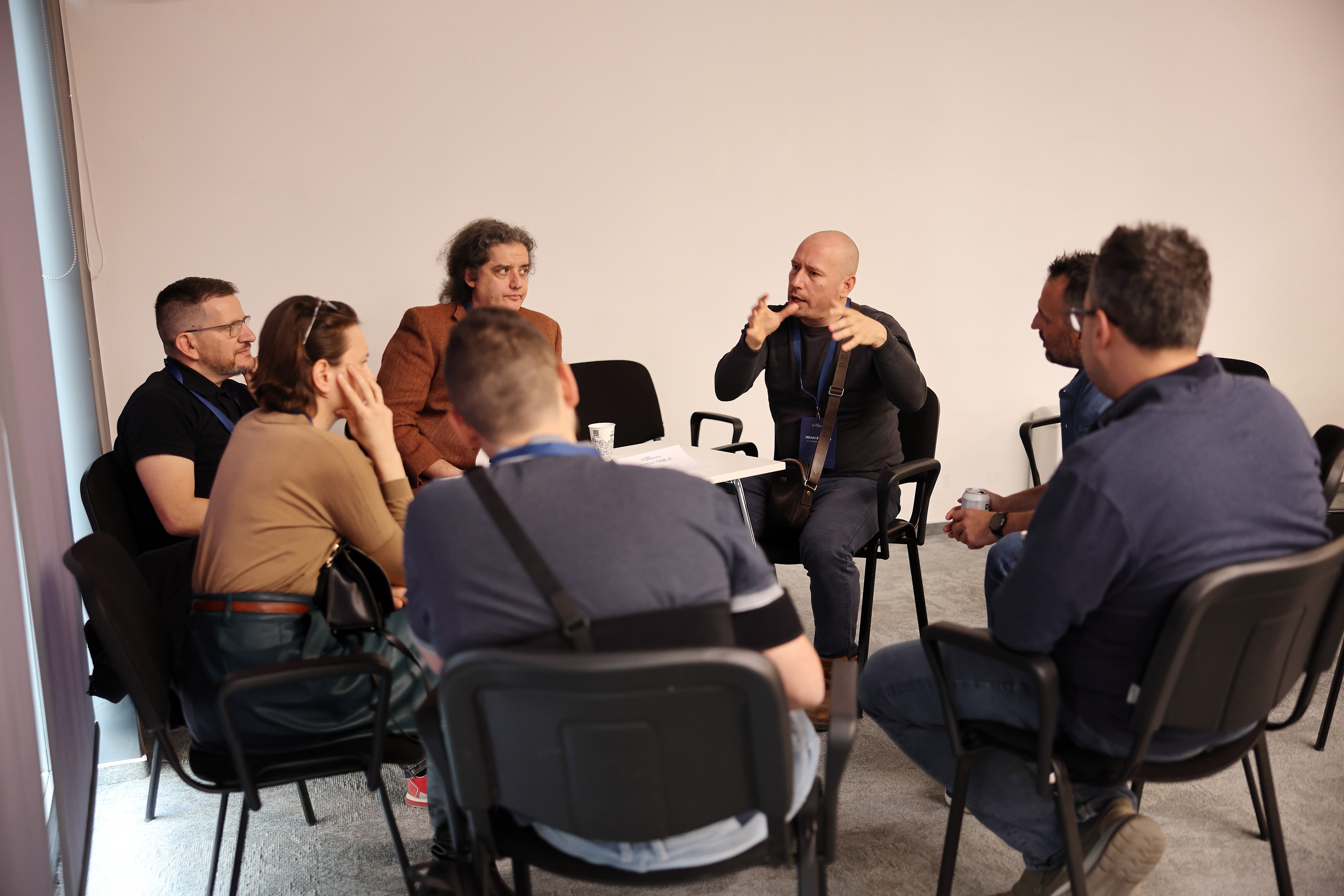
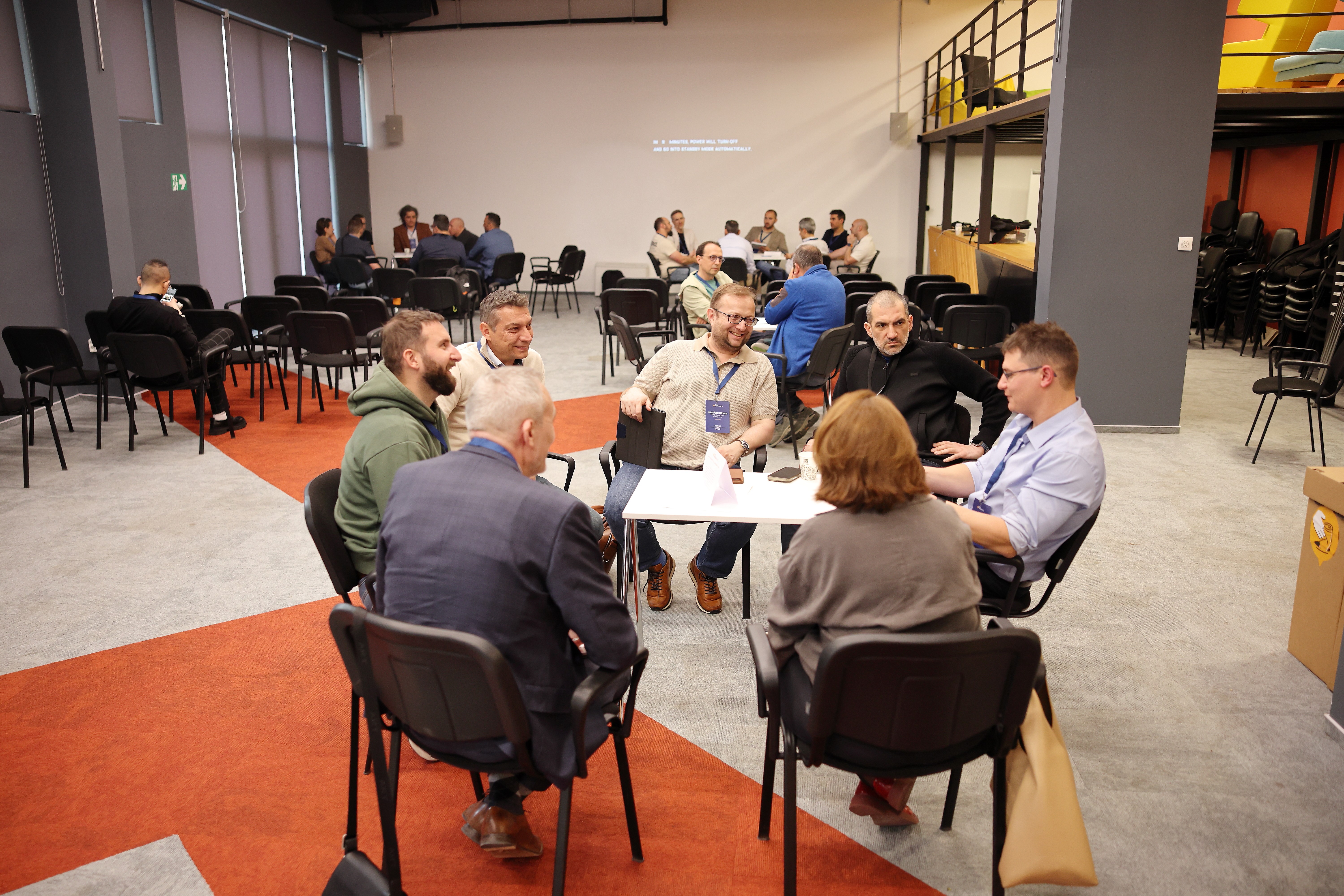
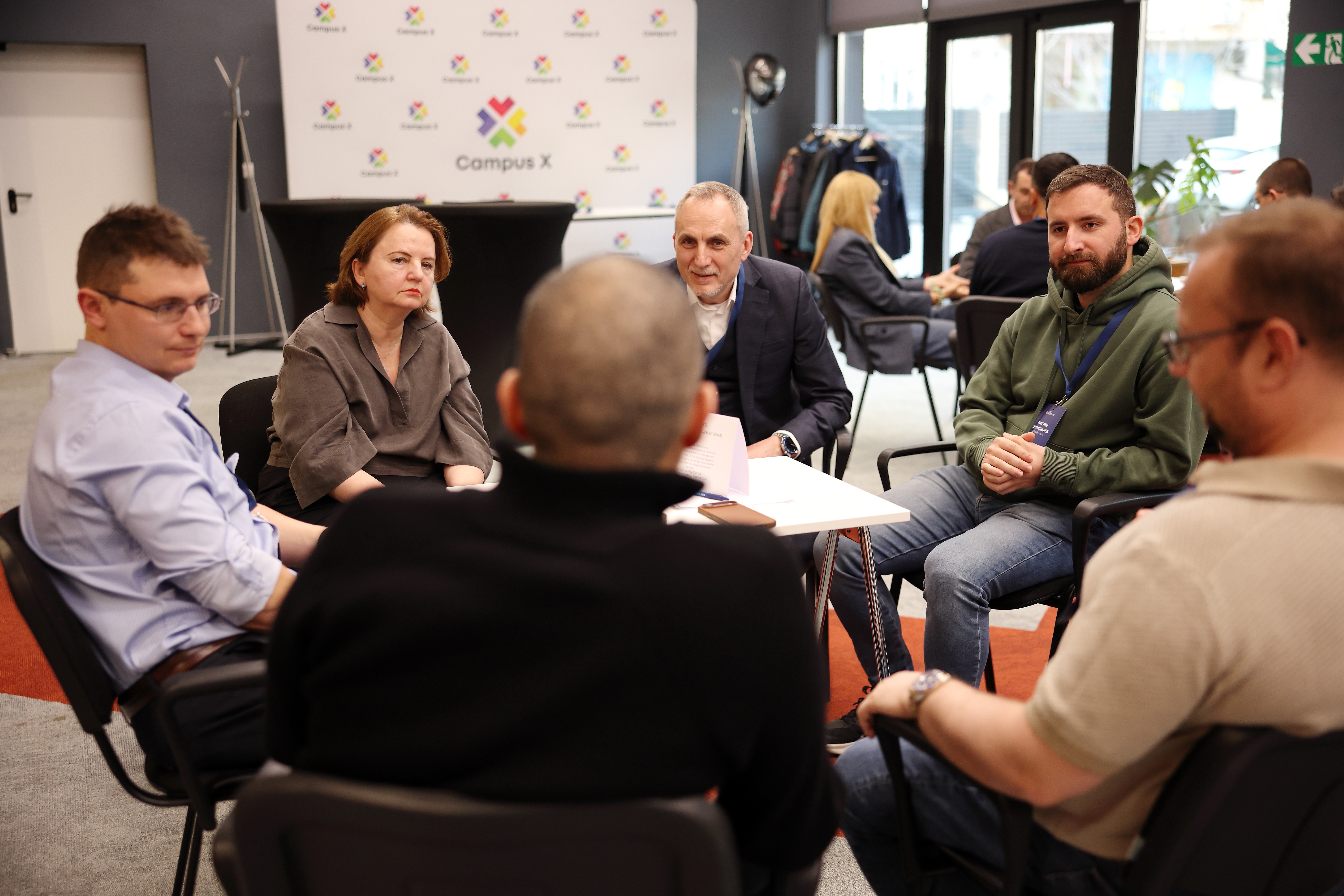
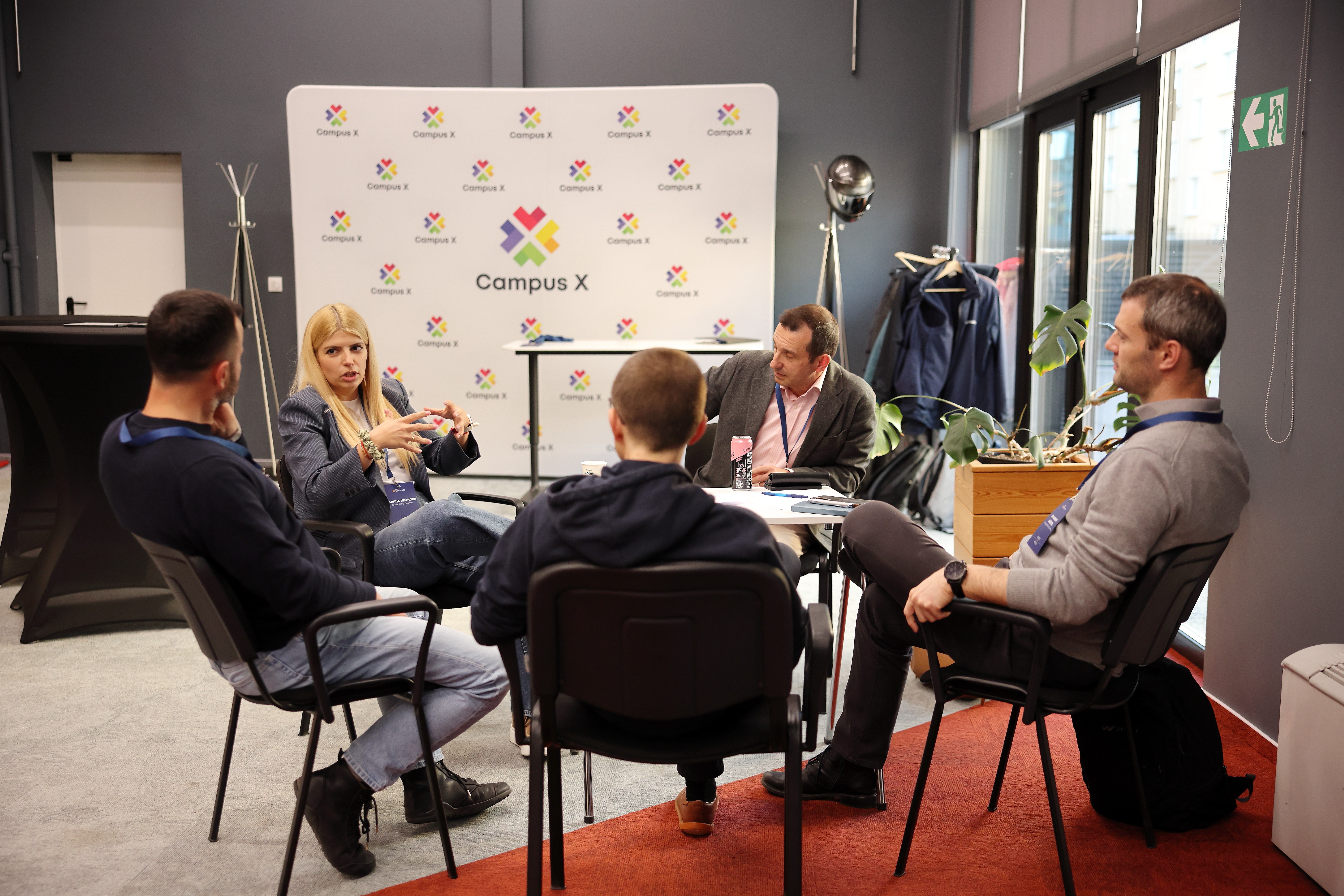
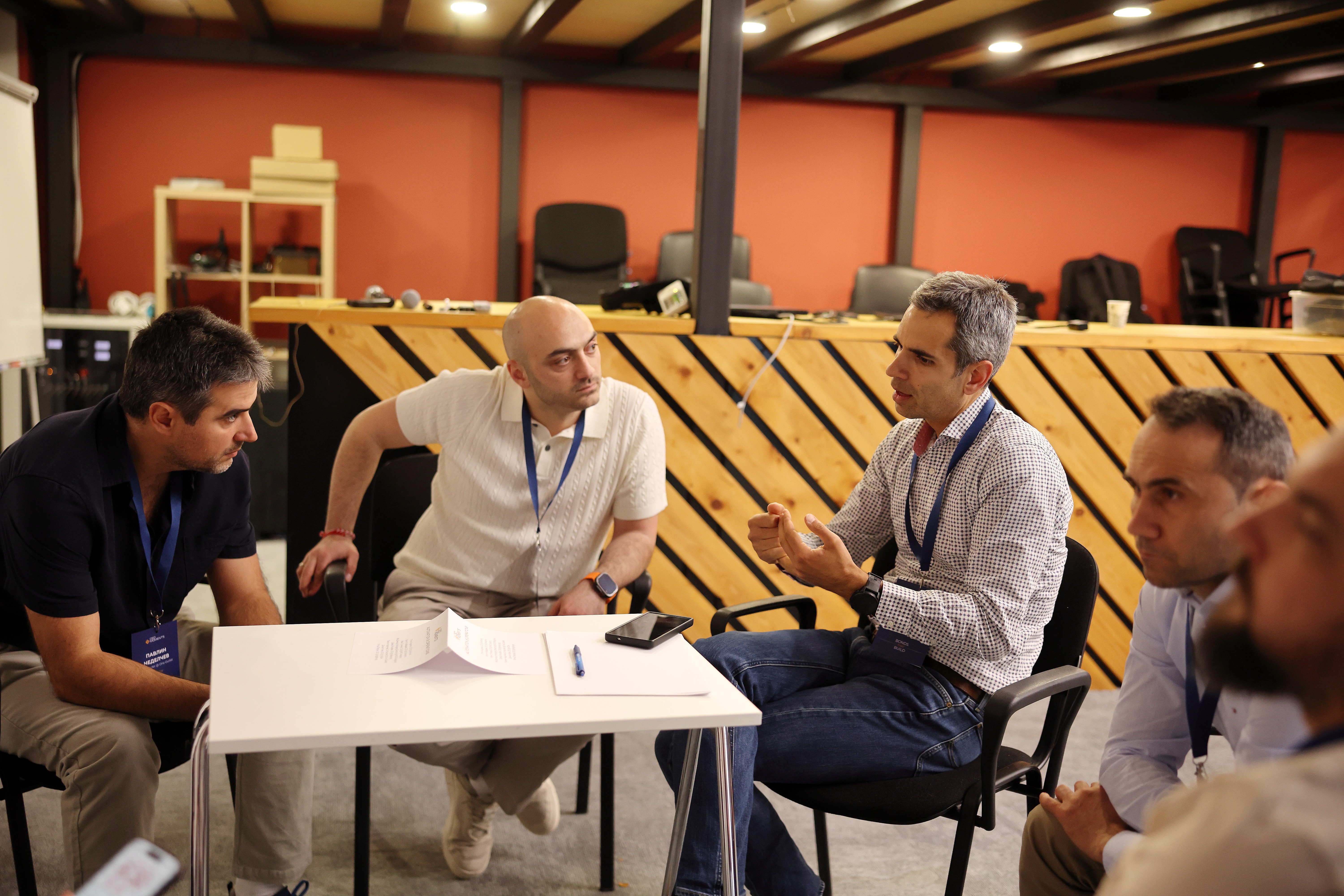
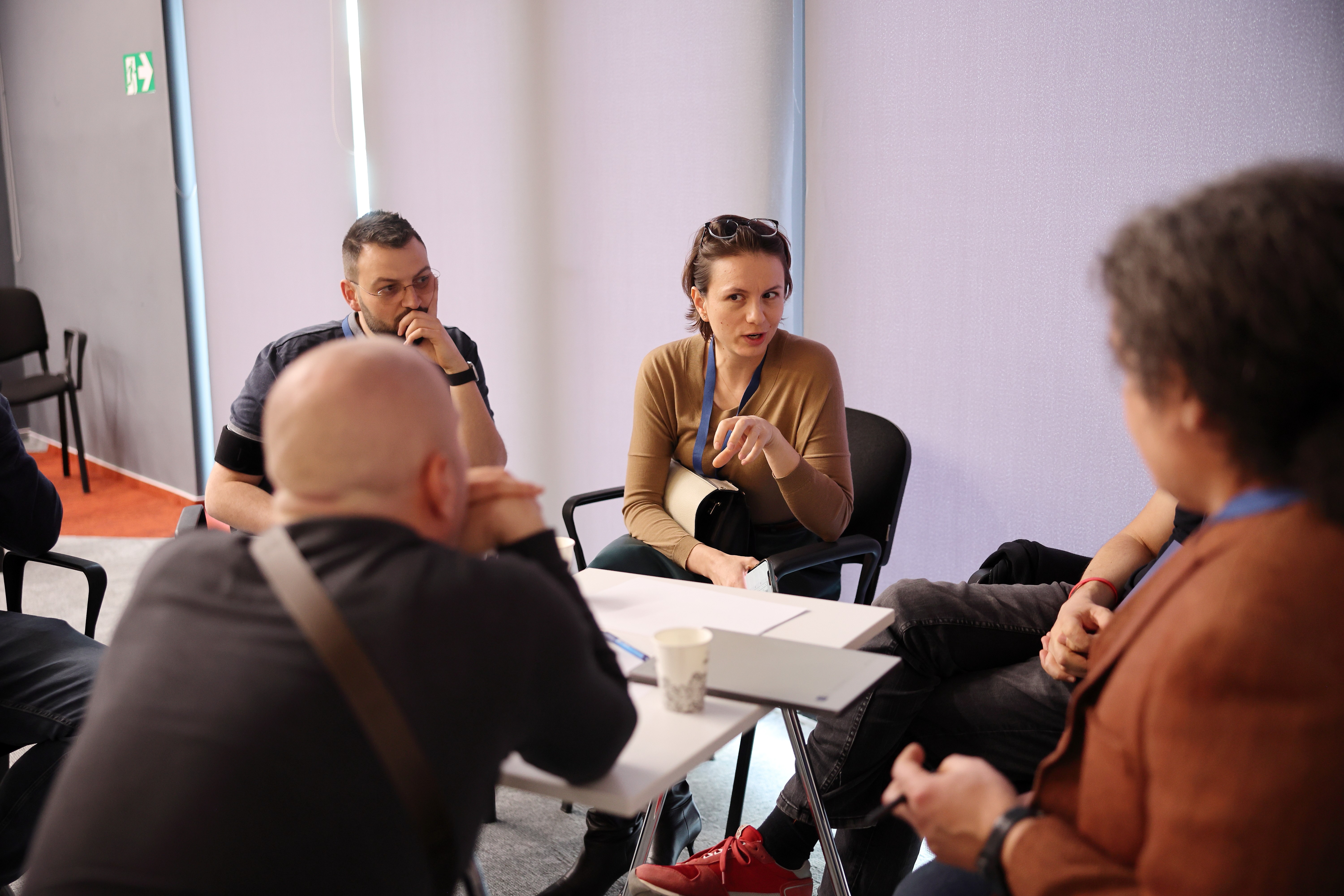
The roundtable discussions pushed the conversation further. Each group went at their own pace - some started with specific implementation questions, others with broader doubts about where to begin at all.
A few themes surfaced consistently across the tables:
– Leadership behavior shapes everything. Experimentation only moves fast when teams feel the permission to get things wrong - and that permission starts at the CEO level. When leaders are open about what they’re trying, what failed, and what they’re learning, the whole organization moves differently. When they pretend everything is figured out, no one below them takes the risk of trying.
– AI should help people do more, not replace them. That distinction matters - and it needs to be shaped at the very beginning, before any implementation decision is made. It is not about a single process or automation. It is about how the whole business thinks about the technology.
– Knowing your business in detail is not optional. Starting with AI without a clear understanding of your own operations is a short path to poor results. The technology can only perform as well as the thinking behind it.
– AI is still early. The honest answer, shared by practitioners and CEOs alike, is that everyone is still figuring this out. Staying open - asking questions, running small experiments, adjusting is not a weakness. It is the only approach that actually works right now.
At CEOmoments, this is exactly the kind of conversation we build for. Not polished summaries of what worked but the full picture, shared openly. Because when leaders are honest about the journey, everyone in the room moves forward faster. That’s how the standard rises - together.
The next CEOmoments gathering is on April 28:
Topic: Why good changes get stuck in middle management